Pressure Washing Residence Solutions Close By in Roswell
Within Orange City, FL, 80% of residents face obstacles like dirt, fungus, and mildew growth, largely due to humidity. This reality highlights the need of locating trustworthy Pressure Washing services in your area. Not only does Pressure Washing improve your home’s appearance, but it also safeguards its integrity. As you explore alternatives in Orange City, businesses such as Steve’s Super Clean LLC and Advanced Pressure Washing LLC distinguish themselves. They deliver diverse Pressure Cleaning services, including soft washing for sensitive areas. Choosing professional assistance can lead to significant savings of both time and resources, guaranteeing your home remains immaculate – pressure washing driveway prices near me.
Summary Highlights
Comprehending Pressure Washing Solutions
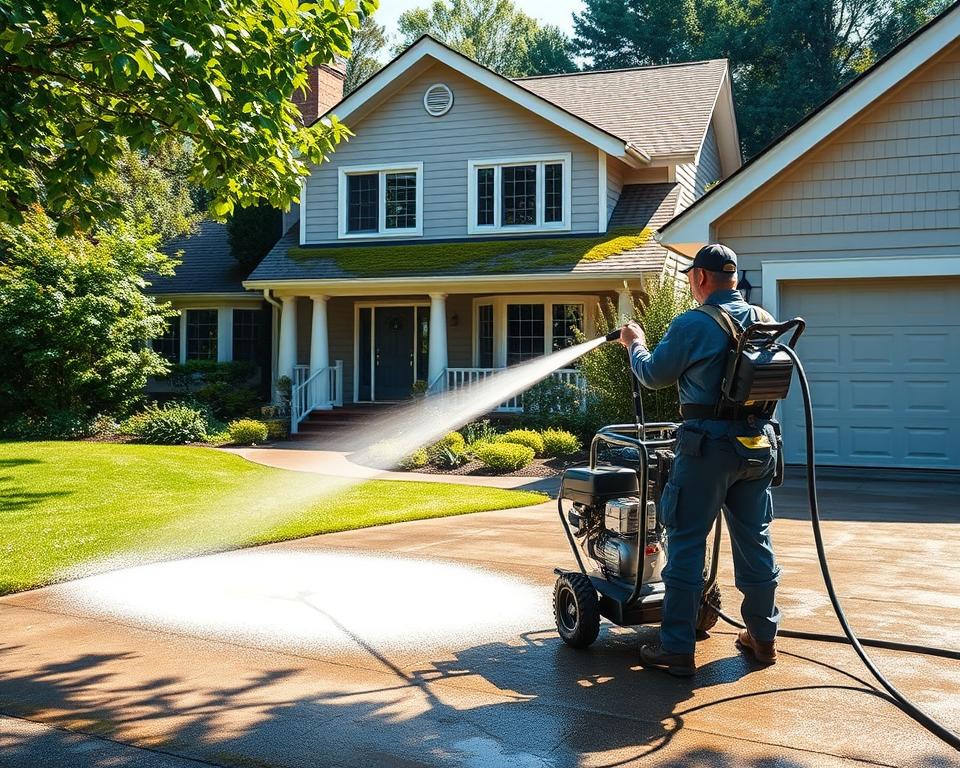
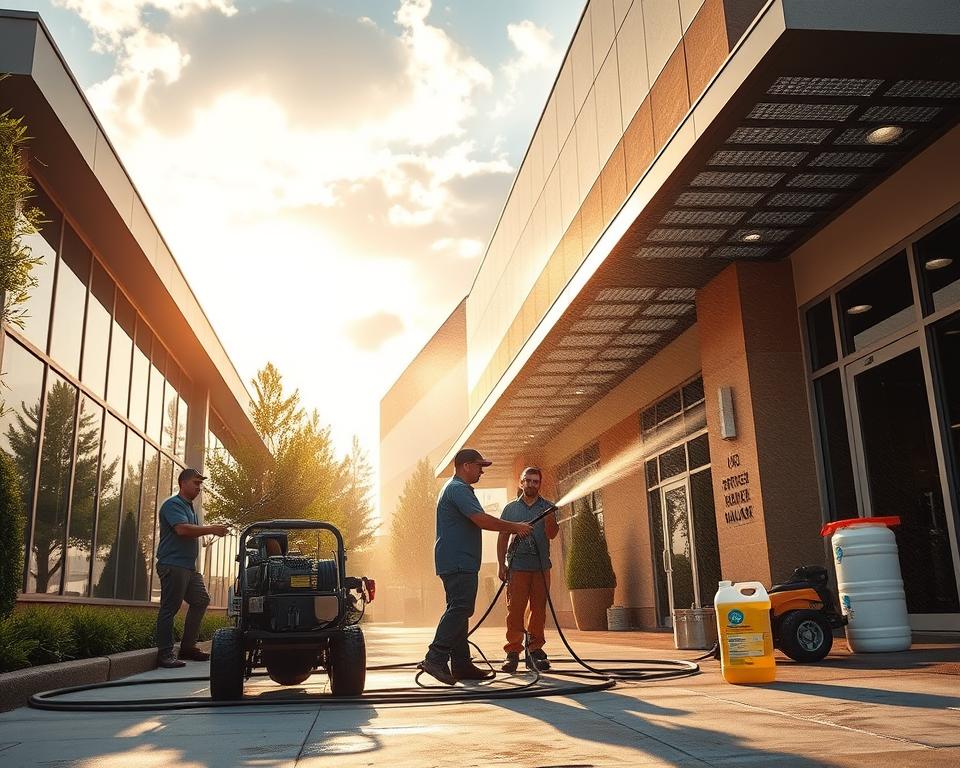
Pressure Washing solutions use high-pressure water streams to remove dirt and grime from outer surfaces. These services are essential for cleaning driveways, outdoor areas, and home exteriors. They rejuvenate the look while protecting the structural integrity. Specialists utilize specialized equipment for different materials and exteriors.
The distinction between Pressure Washing and soft washing is vital. Pressure Washing targets hard surfaces like concrete with levels between 1500 to 4000 PSI. soft washing, however, employs lower pressure for fragile materials such as vinyl or painted wood. This technique avoids damage. Companies like Window Genie focus on soft washing, enhancing the condition of various exterior sidings.
Opting for professional power washing guarantees security and effectiveness. Professionals are adept at managing high-pressure equipment, reducing risk. The cost for Pressure Washing a residence ranges from $150 to $750. This cost depends on the size of the home and the materials needing cleaning. Hiring professionals not only boosts curb appeal but also increases the durability of outside areas. This maintenance ensures home values elevated.
Reasons Why Professional power washing is Vital for Your House
Home maintenance goes beyond ordinary cleaning. It includes professional power washing, crucial for protecting and extending your home’s lifespan. Professionals skilled at handling varied surfaces, optimize outcomes and reduce damage risks. Unlike amateur attempts, which may cause injury or structural harm, skilled technicians use established safety protocols.
Utilizing residential Pressure Washing services can boost the durability of your home’s exteriors, like decks and patios, by 50%. For residents, this investment is about preserving home worth, not just tidiness. Studies indicate that a pristine exterior may boost a home’s market value by 5-10%. Additionally, soft washing methods substantially reduce the chance of damaging fragile surfaces.
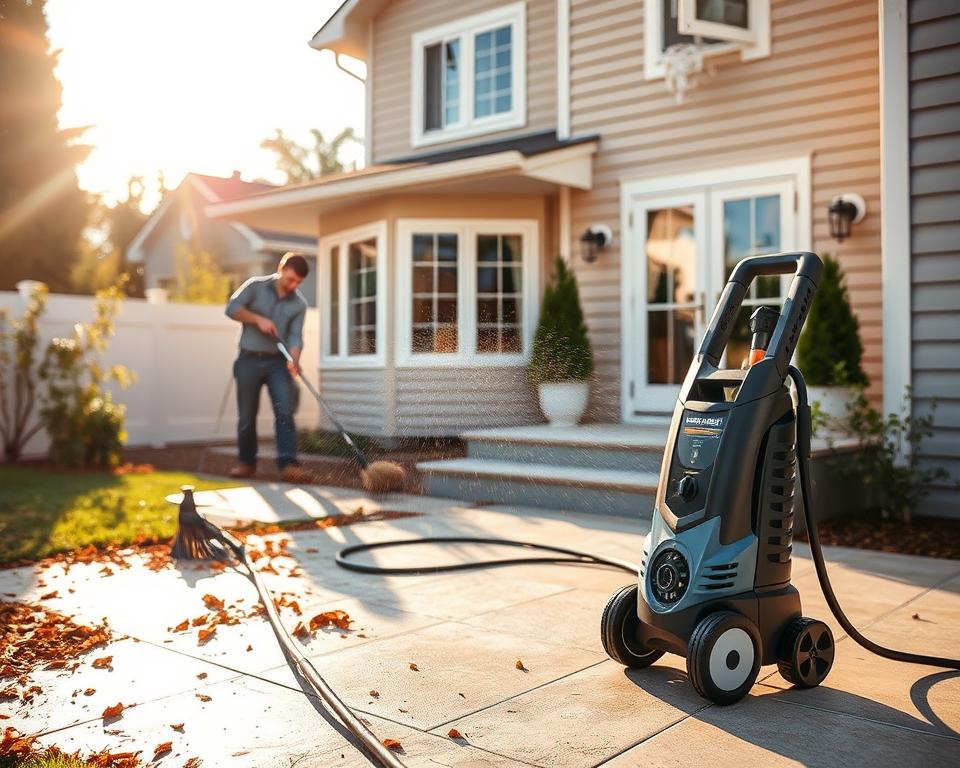
Skilled power washing, employing high-grade equipment, delivers a exceptional level of cleanliness. The technique of using hot water is demonstrated as 70% more effective against persistent marks than its chilled version. This unique method is vital for preventing expensive repairs. An remarkable satisfaction score from homeowners affirms the superior performance from such expert care.
Consistent Pressure Washing enhances a home’s aesthetic appeal while averting expensive maintenance issues. One should schedule expert cleaning each year, preferably between spring to fall. Ignoring this can lead to mold and algae issues, particularly in moist environments. In the end, a meticulously maintained exterior reflects the home’s value and the owner’s care.
Benefits of Pressure Cleaning Services
Pressure Cleaning solutions bring substantial advantages to residential properties. They not only improve the appearance but also protect the home’s structural soundness. Through professional cleaning techniques, property owners can boost their property’s curb appeal. This also aids in averting potential harm. Regular Pressure Washing offers economic advantages and lasting protection for homes.
Boosting Curb Appeal
Enhancing curb appeal is a remarkable benefit of Pressure Cleaning. Homes that are meticulously maintained can command 5% to 10% above market value. The process can enhance your home’s look by up to 20%. This makes the property more inviting and boosts its attractiveness to buyers. A spotless outer appearance can set your property apart in any community.
Preventing Damage to Your Property
Preventing property damage is another key advantage. Pressure Washing regularly removes mold, mildew, and dirt. This process significantly reduces the chance of permanent harm. Homeowners can cut 50% on maintenance by sidestepping expensive fixes, like siding replacements, which can run from between $5,000 and $15,000. Dirt accumulation can lead to health risks and expensive problems.
Committing to regular Pressure Cleaning enhances your home aesthetically and internally. The importance of Pressure Cleaning in maintaining home value is clear. It guarantees that residents can cherish their homes without concerns.
Pressure Washing House In My Area in Roswell
Seeking out expert Pressure Washing services can greatly boost your home’s appearance. When you look up “Pressure Washing Home Near Me in Roswell,” you’ll find many alternatives. Curb Appeal Power Clean is notable, providing high-quality, budget-friendly services in Culver City, CA.
For property owners seeking to refresh their homes, locating local Pressure Washing services with exceptional customer feedback is essential. Frequent Pressure Washing improves your home’s outer appearance and prevents mold and mildew harm. Curb Appeal Power Clean advocates for regular inspections and cleanups to avoid costly repairs.
With six years of experience, they offer a range of solutions from residence to entrance and roof soft washing. Their commitment to superior quality makes them a prime choice for homeowners. Opting for local specialists like them for budget-friendly Pressure Washing keeps your home looking its optimal all year.
Choosing the Best Pressure Washing Firm
When selecting a Pressure Washing service, certain key factors require evaluation for first-rate results. Residents should concentrate on understanding what distinguishes one firm from another. Primarily, their reputation, client support, and qualifications should inform your decision. This thoughtful choice guarantees access to a competent and trustworthy provider.
Key Considerations
- Reputation: Search for companies known for their excellent track record. Customer reviews and testimonials reveal their dependability and the excellence of their offerings.
- Experience: Experienced Pressure Washing companies usually know how to handle various materials and stains better, resulting in more thorough cleaning.
- Equipment: It’s essential to confirm the company utilizes appropriate tools. The pressure washer’s PSI rating significantly impacts the cleaning efficiency.
- Environmental Practices: Select services that employ eco-friendly cleaning agents, designed for efficiency while reducing water consumption.
- Customizable Services: Opt for a company that offers cleaning plans tailored to your unique property needs and convenience.
Regional Knowledge and Proficiency
Local knowledge is essential when selecting the best Pressure Washing company. Experts knowledgeable about your area’s weather conditions can more effectively understand environmental factors affecting your property. In high humidity areas, for example, properties might need cleaning more often to combat mold. Employing a local firm like Xtreme Pressure Washing, with over 30 years in the field, assures they understand specific challenges your home encounters. Their commitment to customer care and strong local connections establish them as a dependable option.
Types of Residential Pressure Washing Solutions
Various residential Pressure Washing services address specific needs, enhancing your home’s appearance and durability. Residents choose specialized offerings based on their unique needs. Opting for the suitable solution enhances your home’s aesthetic appeal and preserves its market value.
Outside House Washing
Exterior House Washing maintains the pristineness and aesthetic appeal of your home’s siding. It eliminates built-up dirt, grime, and mold, keeping your residence attractive. This offering employs eco-friendly cleansers to guarantee the environment stays safe. It efficiently cleans surfaces like vinyl, brick, and wood.
Roof Care and Upkeep
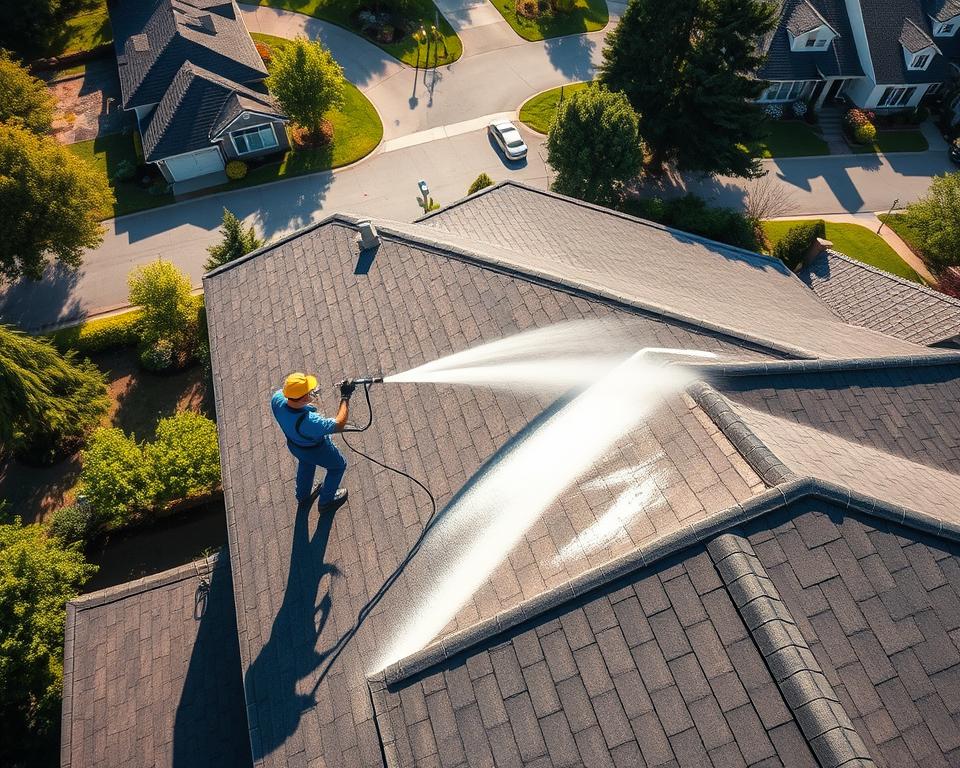
Roof cleaning is crucial for stopping algae growth and prolonging the lifespan of roof shingles. It guarantees roofs are both visually appealing and functional. Expert power washing eliminates tough stains and avoids damage. This instills confidence in homeowners regarding their roof’s condition, benefiting the overall property.
Driveway & Patio Maintenance
Driveway and patio cleaning focuses on areas prone to staining and wear. It’s crucial for keeping these surfaces attractive. Strong equipment and specific detergents eliminate oil stains and dirt. This guarantees these sections remain welcoming for residents and guests. With annual maintenance plans, keeping these outdoor areas immaculate is simple.
Finding Affordable Pressure Washing Options
Many homeowners assume that high-quality Pressure Washing must be costly. However, this is not always the case. Many providers provide budget-friendly services without compromising on quality. It’s essential to compare estimates from multiple local providers to locate the best deal.
Doing so uncovers the pricing spectrum, potentially resulting in substantial cost reductions. This approach demonstrates the value of comparing options.
Firms such as Xtreme Pressure Washing often provide attractive promotions, such as seasonal discounts or promotions on bundled services. They also provide complimentary quotes, customizing prices based on your home’s particulars and the required services. This approach ensures clear pricing, assisting businesses draw and keep customers.
Geographical factors also play a crucial role in the demand for affordable Pressure Washing. For example, the frequent mold and mildew in humid areas like Atlanta escalate the demand for such offerings. Residents in these regions are seeking effective yet budget-conscious options.
Turning to online directories enables homeowners to find various reputable solutions nearby. These tools, combined with the awareness that the average Pressure Washing cost is around $300, help in planning your budget. Additionally, the presence of warranties or satisfaction guarantees offered by certain providers increases confidence in these investments.
Expectations from a Leading Power Washing Service
Opting for a distinguished power washing service guarantees your property’s enhancement. During the initial consultation, your unique needs are discussed. Experts also pinpoint areas requiring additional attention. They offer a comprehensive estimate, guaranteeing transparency and reliability.
Xtreme Pressure Washing demonstrates commitment to excellence in every detail. Its staff, with over 150 hours of training, execute tasks with unmatched precision. With decades of experience, they not only meet but surpass expectations.
The company’s 100% satisfaction guarantee underscores its dedication to client happiness. Their impressive track record, featuring thousands of happy customers and numerous five-star reviews, is a testament. They employ eco-friendly cleansers, emphasizing their commitment to safety and the environment.
Regular power washing preserves your home’s allure and averts expensive harm. Offering a variety of offerings, from home to patio cleaning, customers get custom options. This ensures both immediate improvements and lasting benefits, safeguarding your home.
How Professional Pressure Washing Operates
The professional Pressure Washing method comprises a series of crucial steps. These steps guarantee a thorough and secure cleaning for homeowners. By comprehending these steps, you can prepare your home better. This preparation helps you choose wisely when choosing Pressure Washing offerings.
Initial Consultation and Quote
The professional Pressure Washing process often begins with a discussion and estimate. Specialists inspect your home to evaluate the requirements. This guarantees the estimate is precise and tailored to your home’s needs. This stage is crucial as it provides a discussion of any issues. It also assists property owners grasp the techniques that will be applied.
Readying Your Home for Pressure Washing
Readying your home adequately is crucial for effective Pressure Washing. Before the appointment, property owners should:
- Clear outdoor furniture and décor to avoid damage.
- Protect delicate plants and garden by shielding them or moving them out of the washing area.
- Make sure windows and doors are shut to prevent the infiltration of water.
- Avoid scheduling Pressure Washing during inclement weather.
These readiness measures safeguard your property, guaranteeing a seamless and efficient clean. Readying your home boosts the efficacy of the cleaning, yielding a more attractive property. Opting for a dependable provider, like Xtreme Pressure Washing, offers a seamless experience from beginning to finish.
Final Thoughts
The significance of skilled Pressure Washing solutions is substantial. It not only enhances the visual appeal of your home but also contributes significantly in the longevity of its facades. By opting for specialized cleaning, you minimize risks associated with mold and mildew. These can create hazardous conditions.
Finding the right Pressure Washing company is crucial. It guarantees the excellence of the service without compromising damage to your home. Homeowners in search of top-notch services should opt for reputable local services. Seek out those that employ state-of-the-art machinery and eco-friendly methods. Firms such as Xtreme Pressure Washing are notable for their commitment to client happiness and environmental responsibility.
Professional Pressure Washing provides an immediate upgrade to your home’s exterior. Prompt action can boost your home’s visual appeal, maintain its worth, and avert expensive repairs down the road. Skilled experts can help protect and enhance your property. Opt for their services to guarantee your home remains both beautiful and safe.
FAQ
Q: What is Pressure Washing and how does it work?
A: Pressure Washing blasts away dirt, grime, and other unwanted materials with high-pressure water. It’s not just about looks; it also helps in maintaining the integrity of exteriors like your home’s outside, driveways, and patios.
Q: How does Pressure Washing contrast with soft washing?
A: High pressure is the main tool in Pressure Washing for rigid exteriors. soft washing, alternatively, uses lower pressure and cleaning solutions. This approach is less harsh on fragile surfaces, including roofs and painted siding, avoiding damage.
Q: Why should I choose a expert Pressure Washing provider like Xtreme Pressure Washing?
A: A expert team knows how to handle diverse surfaces with care. They adhere to safety measures to avoid damage to property or people. Their experience ensures a cleaning standard that DIY efforts might not achieve.
Q: What benefits are there of having my home Pressure Washed?
A: Pressure Washing not only makes your home look inviting but also increases your property’s value and deters harmful elements like mold. Investing in this service avoids expensive repairs over time.
Q: How can I get the best Pressure Washing offerings in Roswell?
A: To find services nearby in Roswell, try looking up “Pressure Washing Home In My Area in Roswell”. Review customer feedback and compare services to identify reputable providers. Xtreme Pressure Washing distinguishes itself for its superior service.
Q: What criteria should I consider when choosing a Pressure Washing company?
A: Focus on a company’s standing, customer service quality, accolades, and their local expertise in your area. These factors are essential in managing local environmental effects on homes.
Q: What varieties of Pressure Washing offerings are available for residences?
A: Residential options cover house exterior cleaning, roof maintenance to prevent algae, and cleaning for driveways and patios to tackle common stains. These offerings aim at revitalize high-traffic outdoor areas.
Q: Are Pressure Washing solutions affordable?
A: Xtreme Pressure Washing, among others, offers cost-effective options and periodic promotions. Evaluating prices and service details assists in finding high-quality services within your budget.
Q: What can I anticipate from a top-rated power washing provider?
A: Top services offer a initial discussion and a thorough evaluation of your requirements. They’ll follow up with an accurate estimate. Expect professionalism and a focus on client care throughout the process.
Q: How should I get my home ready for Pressure Washing?
A: Get your home ready by moving outdoor items, protecting plants, and clearing the work area. Xtreme Pressure Washing will advise on any additional steps to guarantee the best outcome.